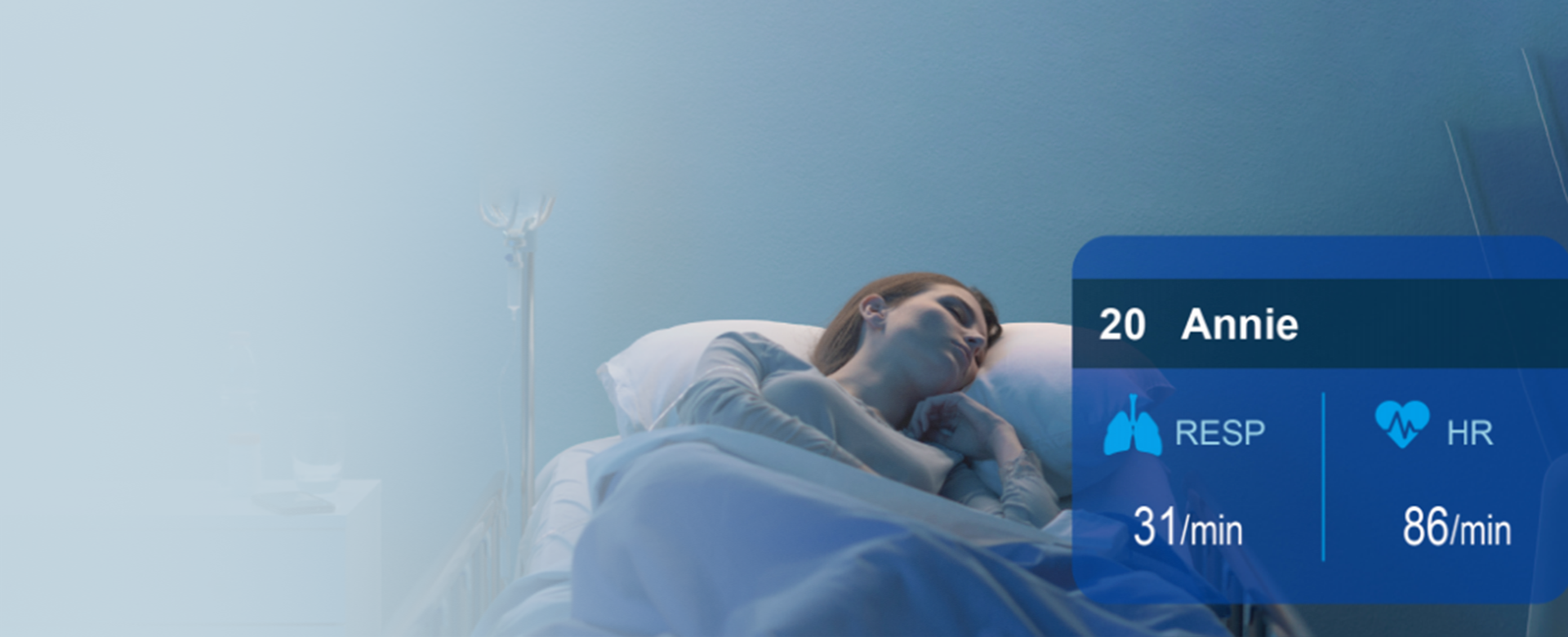
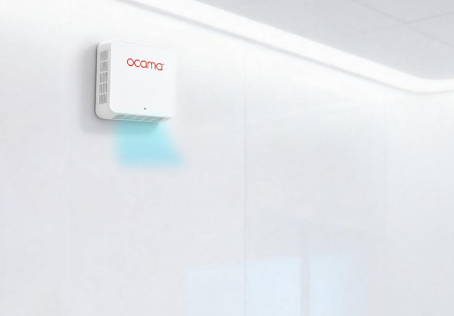
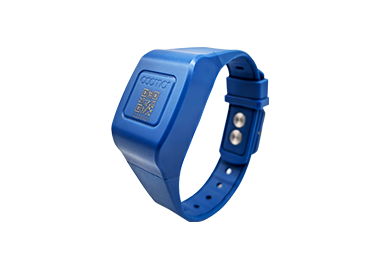
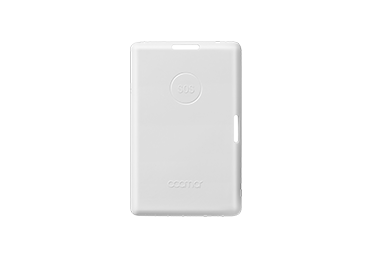
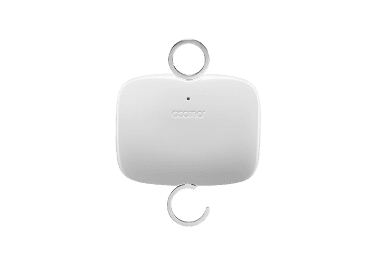
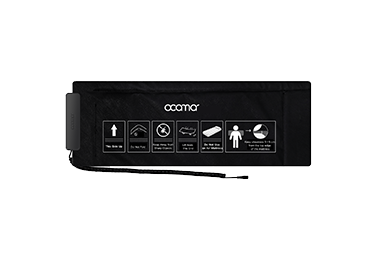

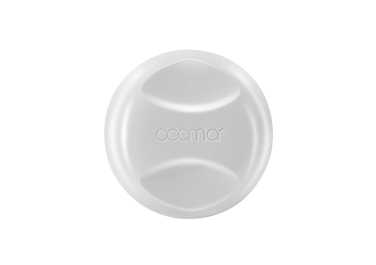
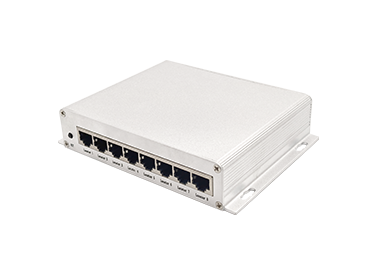
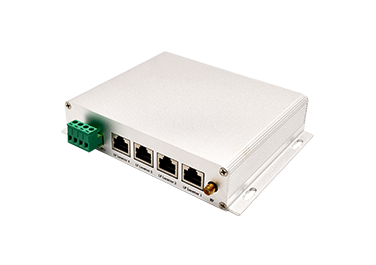
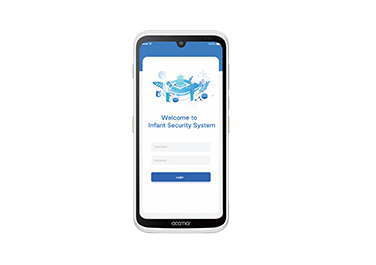


In the core scenarios of medical services, the efficiency and accuracy of communication in the wards directly determine the quality of medical services and the patient experience. In traditional wards, information transmission relies on manual travel and oral communication, which not only easily leads to omissions and delays but also may affect the accuracy of nursing due to information asymmetry. The emergence of the Ocamar smart nursing interaction screen series has completely broken this predicament. By constructing a smart communication network covering wards, nurse stations, and corridors through a full-scenario interactive terminal matrix, it enables collaboration between doctors and patients to enter a new era of efficient coordination.
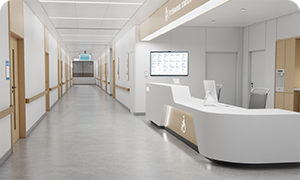
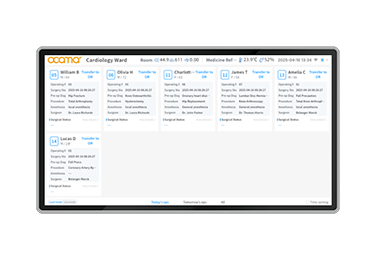
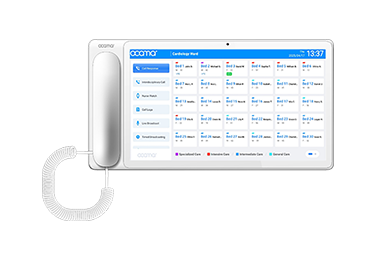
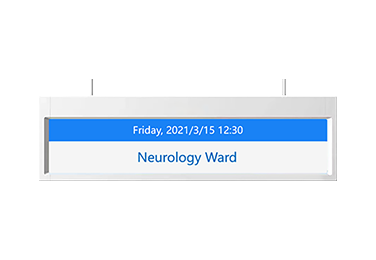
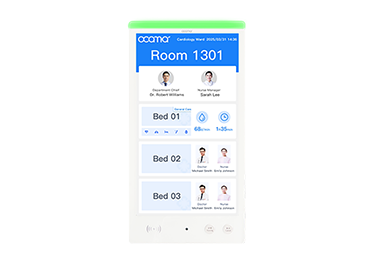
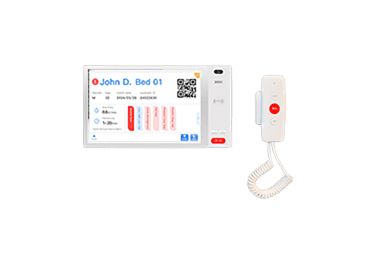
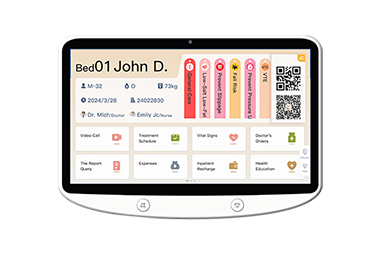
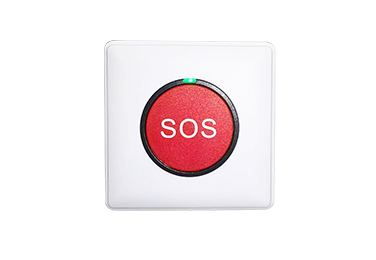
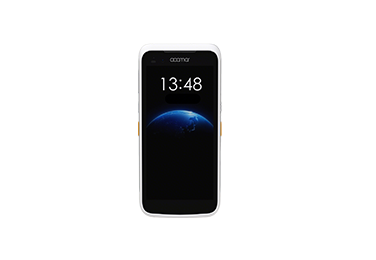
The Ocamar intelligent care interactive screen series consists of the intelligent bedside screen, bedside screen, entrance screen, corridor screen, nurse station call host and nurse station interactive large screen, forming a comprehensive and all-round information interaction system with no blind spots. Real-time information sharing and coordinated response are achieved among various terminal devices. Whether a patient initiates a call in the ward or medical staff issues a notice at the nurse station, the relevant information can be instantly synchronized to all associated screens, ensuring that medical staff can obtain comprehensive and accurate patient information and work instructions from any location. This hardware collaborative design concept enables the information transmission within the ward to be seamless and efficient throughout the process, and builds a stable and reliable information bridge for communication among medical staff, patients and nurses.
According to the specific requirements of different medical institutions, the Ocamar nursing interactive screen offers great flexibility in installation methods. Various installation solutions such as embedded, swing-arm, and stand-mounted designs can precisely match the ward layout and spatial structure of different hospitals. Whether it is the standardized wards of a tertiary hospital or the compact consultation rooms of a community health service center, it can be quickly deployed without the need for large-scale renovations of the existing environment, significantly reducing the investment cost and construction period of the hospital. At the same time, the product adopts an expandable open architecture design. Through standard API interfaces, it can easily integrate with the hospital's existing HIS system and IoT infrastructure, not only meeting current usage needs, but also supporting the iterative upgrade and scene expansion of future functions, and possessing good forward-looking and compatibility.
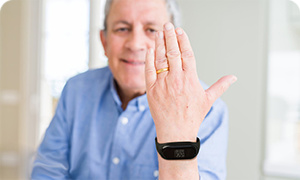
In terms of operation experience, the Ocamar nursing interactive screen fully considers the usage habits of people of all ages. The interface design is simple, intuitive, friendly, and easy to use. For elderly patients, the simple and clear interaction logic and prominent operation buttons reduce the usage threshold, allowing them to easily initiate calls and query health information without relying on others; for medical staff, multi-touch control, autonomous adjustment of volume and brightness, and other functions make daily operations more convenient and efficient. The custom setting of the night mode can further ensure the normal operation of medical staff's work while minimizing the disturbance to patients' rest, achieving a perfect balance between functional practicality and humanistic care.
From a patient's one-click call to a precise response from medical staff, from the real-time push of nursing tasks to the synchronous update of execution status, the Ocamar nursing interactive screen reconfigures the communication logic of the ward through intelligent and networked communication methods. While improving the efficiency of medical collaboration and reducing communication costs, it also makes patients feel timely and considerate medical services, providing solid technical support for building a harmonious doctor-patient relationship.



