

Accurate temperature control is vital for protecting normal organ function, as both hypothermia and fever can cause rapid and potentially irreversible harm. Reflecting this risk, the NICE guideline CG65 requires strict perioperative monitoring: temperature must be recorded before anesthesia, every 30 minutes during surgery, and every 15 minutes in recovery. These demands highlight both the critical importance and the clinical workload of effective temperature management.
However, traditional monitoring methods face significant limitations in meeting these requirements, including:
Critical temperature fluctuations may be missed between manual checks.
Frequent measurements and manual reporting disrupt workflow and increase routine burdens.
Delayed detection of hypothermia or fever leads to slower clinical response.
Repeated checks interrupt rest, impacting comfort and recovery.
Wireless Comfort, Continuous Temperature Monitoring
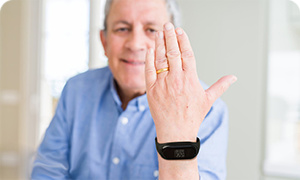
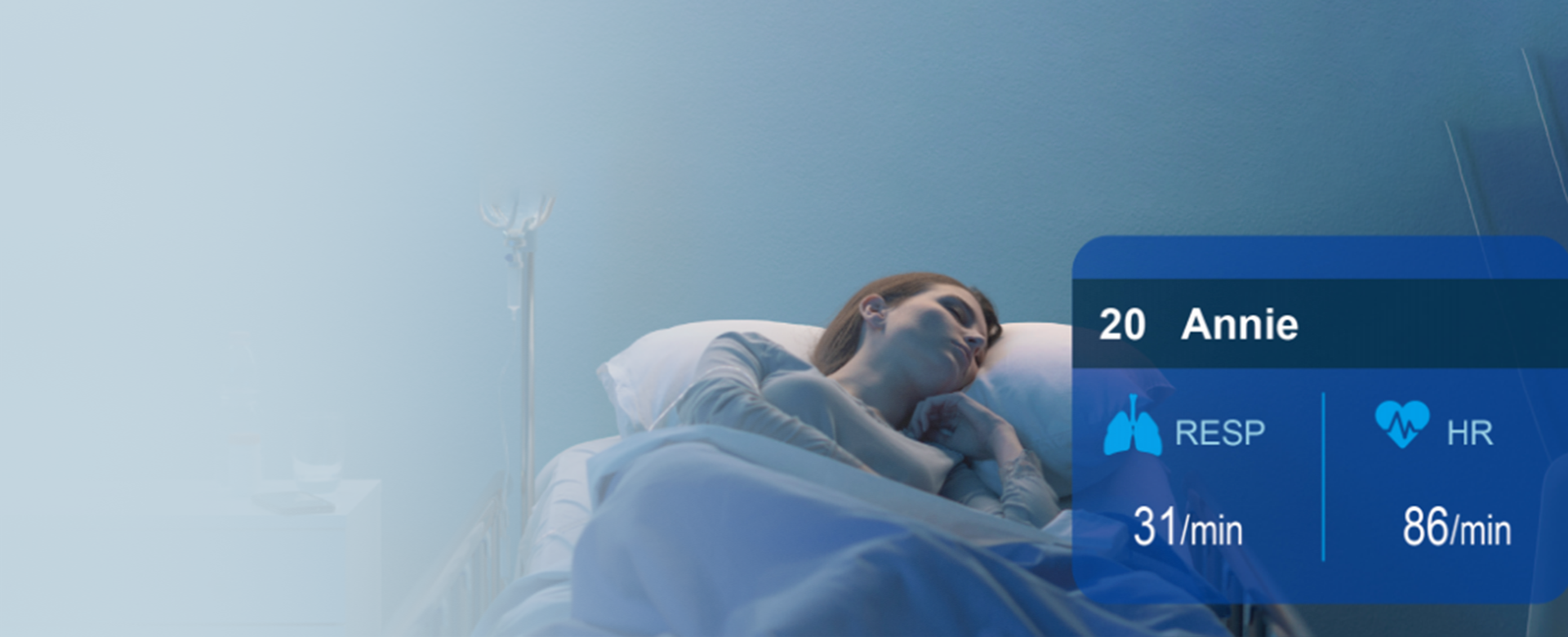
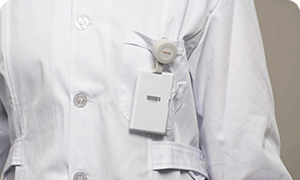
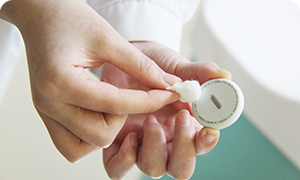
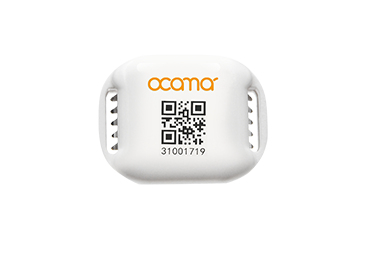
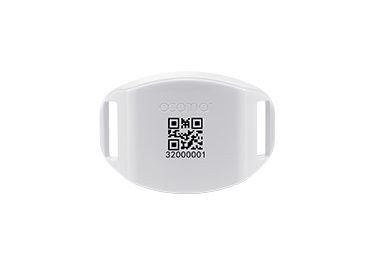
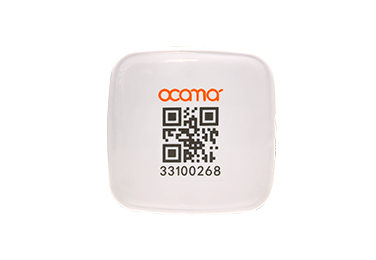
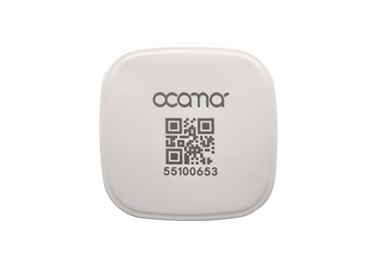
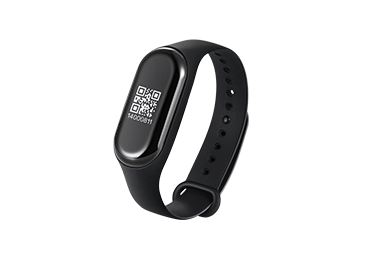
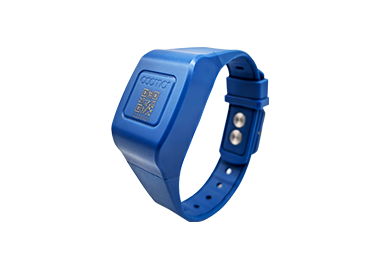
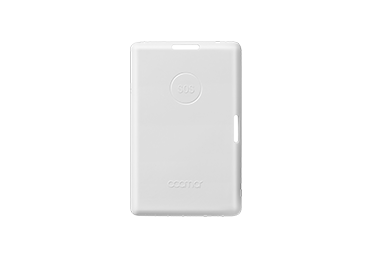
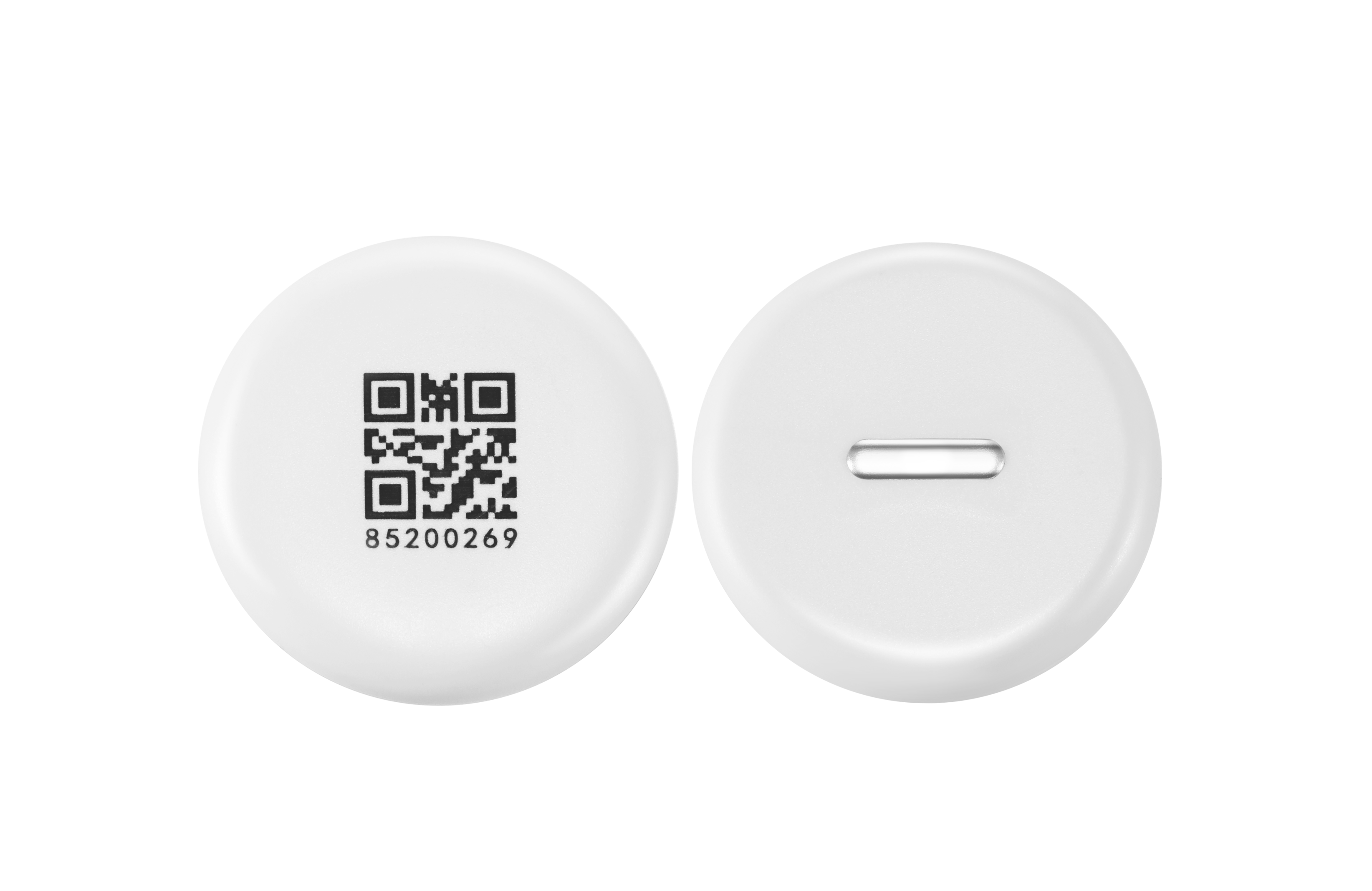
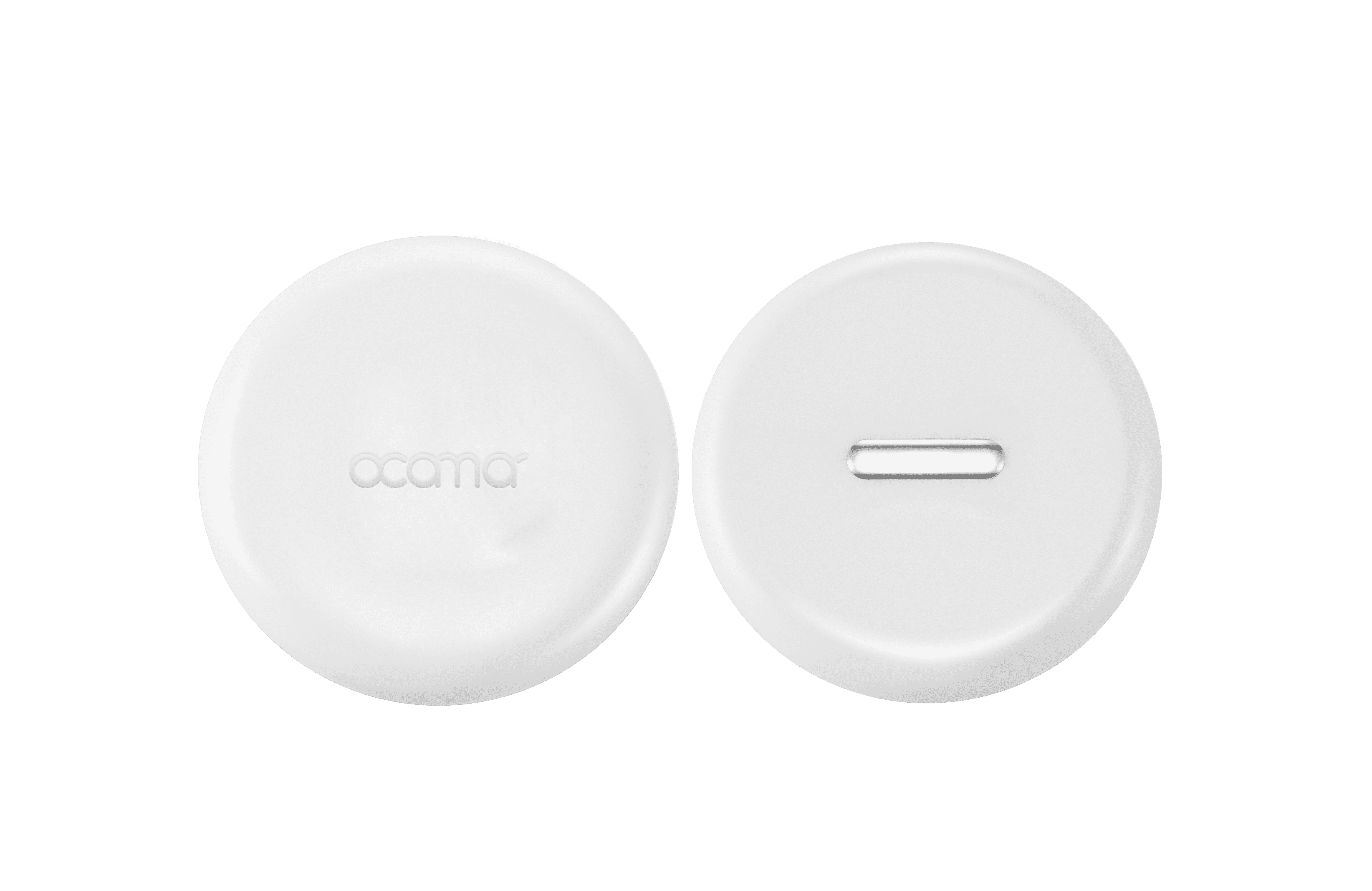
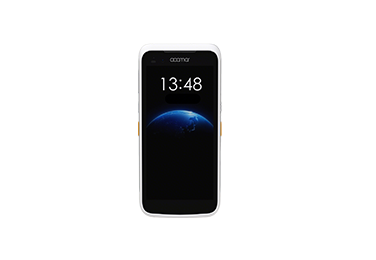
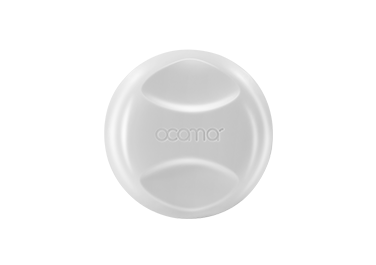
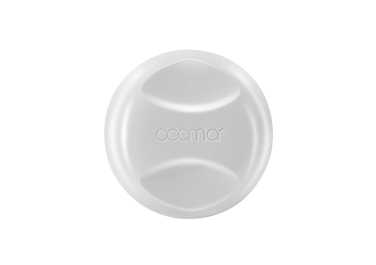
With the expansion of connected healthcare, temperature monitoring is undergoing a major shift. Ocamar’s Body Temperature Monitoring System uses a lightweight, non-intrusive sensor placed on the patient’s skin to capture temperature continuously and transmit data in real time via Bluetooth. The platform enables remote monitoring, automatic recording, and instant alerts. Clinicians can access temperature data anytime and anywhere, supporting smarter decisions and more proactive interventions.
24/7 Accurate Monitoring
Capture every temperature fluctuation to ensure no critical changes are missed.
Automated Reporting & EHR Integration
Generates standardized temperature reports and syncs them with the EMR , reducing manual input errors.
Real-Time Multi-Color Alerts
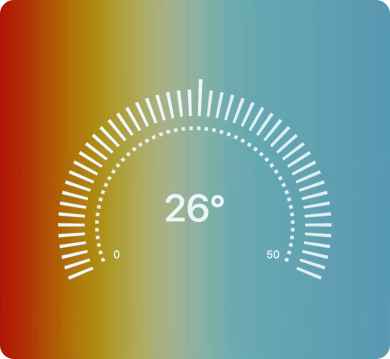
Red/Orange/Green visual alerts for rapid identification of abnormal temperatures and faster clinical response.
Medical-Grade & Non-Intrusive
Class II certified for reliable, non-intrusive monitoring for safe and comfortable patient care.
Single Deployment, Scalable Expansion
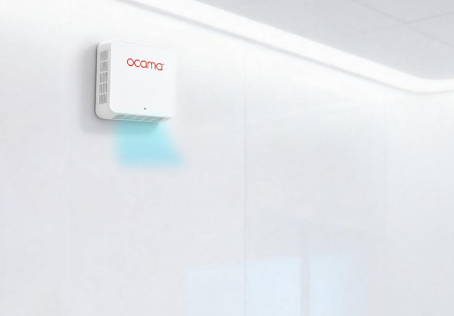
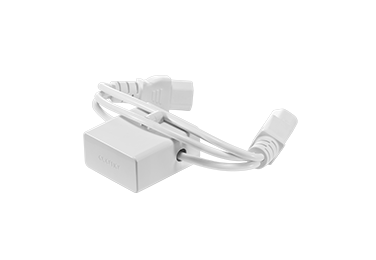
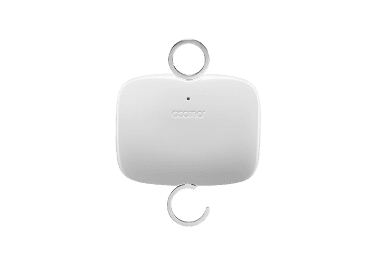
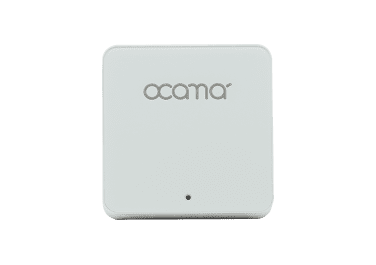
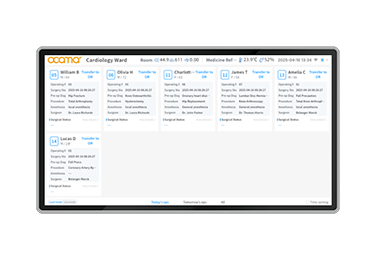
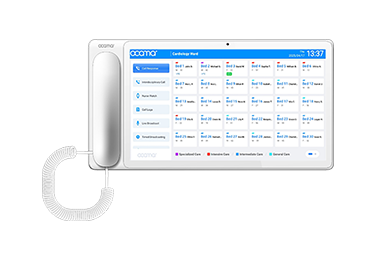
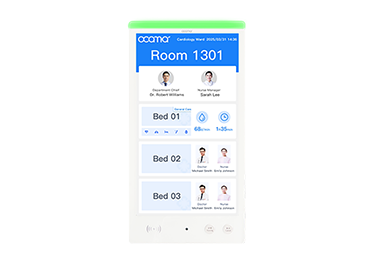
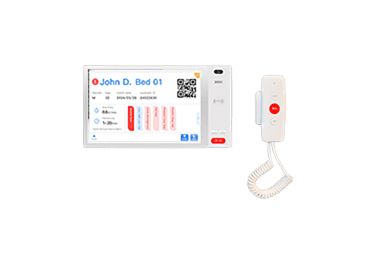
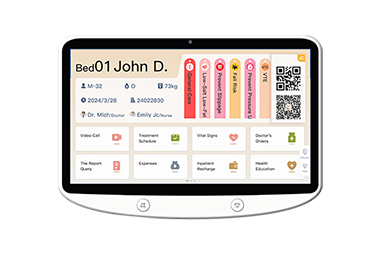
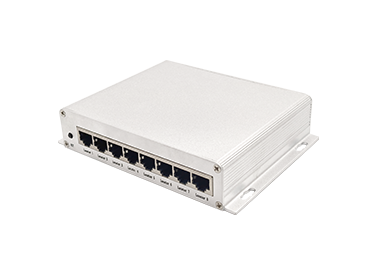
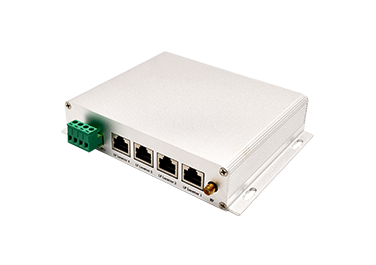
Body temperature data from the wearable tag is transmitted via Bluetooth to transceivers and gateways, then displayed on hospital terminals in real time.
The same infrastructure supports seamless expansion, allowing integration with additional Ocamar solutions, such as Infusion Monitoring and Environmental Monitoring, without additional deployment complexity.
Features
· Lightweight Design: Comfortable for patients; easy to wear.
· Rechargeable: One charge lasts up to 2 months; reusable and cost-efficient.
· IP67 Waterproof: Durable, easy to disinfect for safe clinical use.
· Class II Medical Device: Certified medical-grade safety and performance.
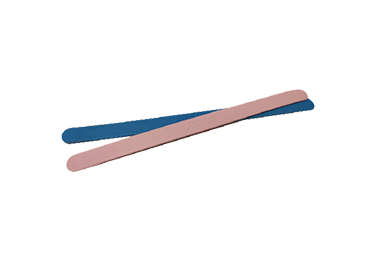
· Medical-Grade Patch with Anti-Loss Design
Interface
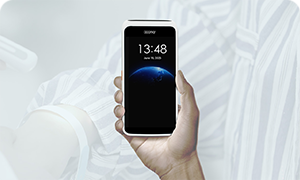
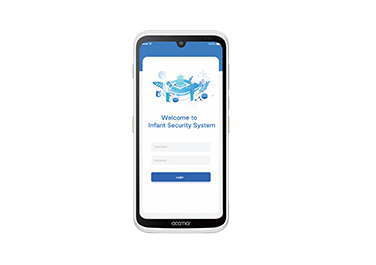
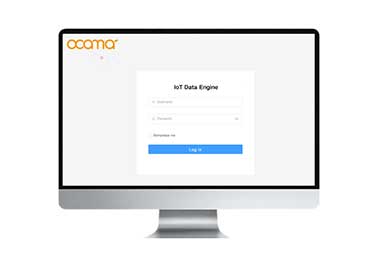
Auto-syncs with the hospital system in real time Multi-color alerts for abnormal temperature
Valued Clients
Renji Hospital, Affiliated with Shanghai Jiao Tong University School of Medicine
Shanghai
Renji Hospital, affiliated with Shanghai Jiao Tong University School of Medicine, was founded in 1844. It manages one of the largest surgical volumes in Shanghai, with perioperative workflows running at a precise, almost aviation-level rhythm.
When the continuous temperature monitoring tags were introduced, they blended seamlessly into existing perioperative pathways. Patients entering the OR had the tag applied during pre-op prep; temperature data flowed automatically from the holding area to the OR, and later to PACU. For the recovery team, the shift was subtle but impactful—instead of waking patients for repeated checks, nurses followed real-time temperature curves on the nursing station dashboard, catching early drifts long before overt symptoms appeared.
What impressed the team most was how little the system demanded from them. The wearable tag stayed unobtrusive under the axilla, data arrived wirelessly, and the same infrastructure later supported more devices in the surgical wing.
With continued use, the richer, uninterrupted temperature curves started to speak for themselves—guiding a smoother, more proactive perioperative temperature management workflow.
As a comprehensive military medical center, the 73rd Group Army Hospital emphasizes efficiency and rapid clinical response, especially in its surgical and trauma units.
When the wireless temperature monitoring system was deployed, it immediately changed how the ward operated. Every tag reported temperature trends automatically to the central station and bedside screens, giving staff a continuous view even during high-intensity periods.
Continuous temperature feeds and automated alerts quietly took over the repetitive tasks once carried out manually, allowing clinicians to maintain situational awareness without constant bedside visits.
For a hospital where speed and clarity matter, the system provided a calm certainty—always watching, always updating, without adding workload.