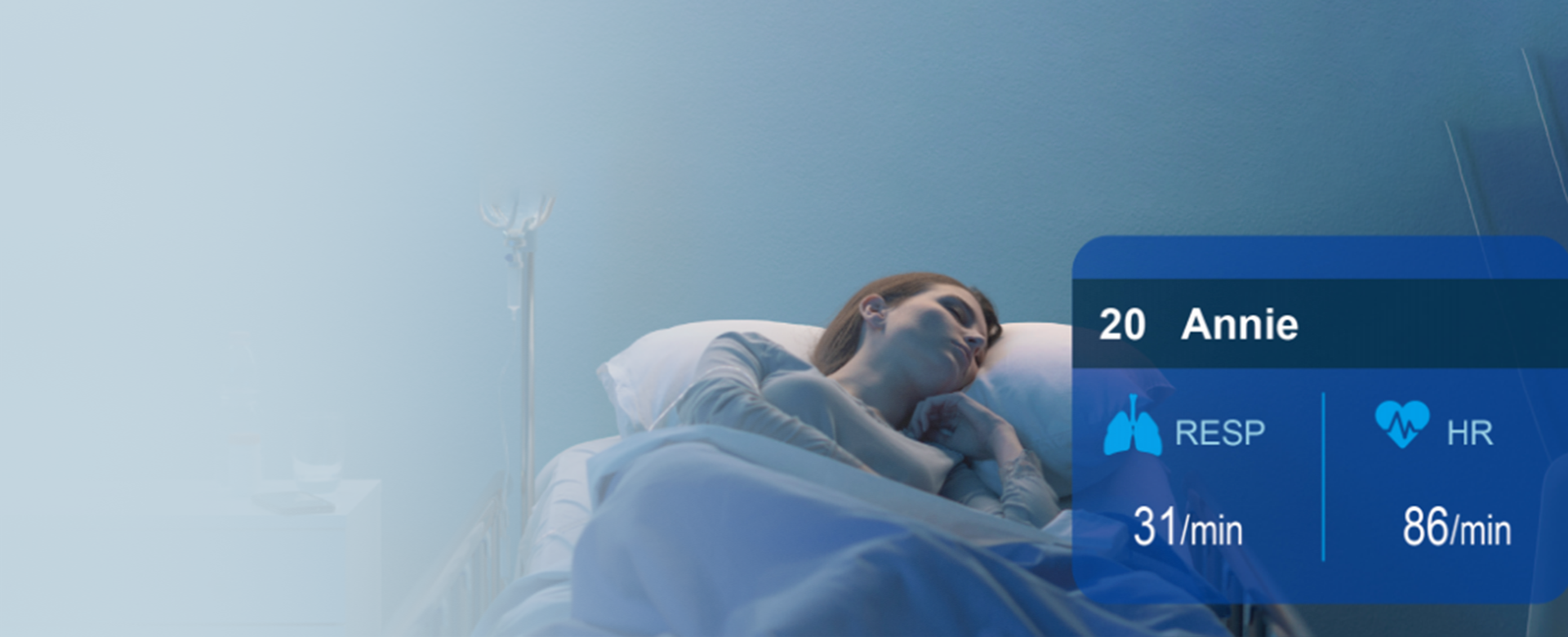
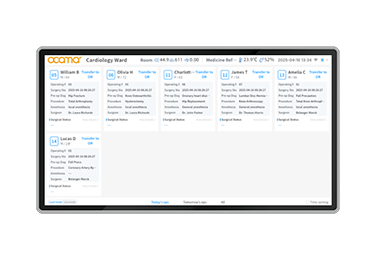
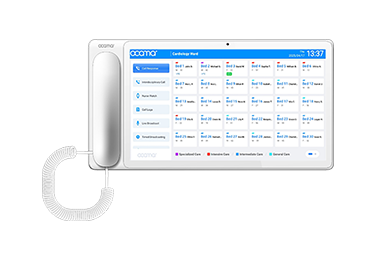
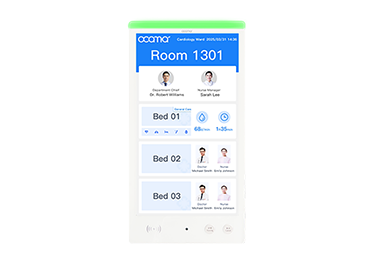
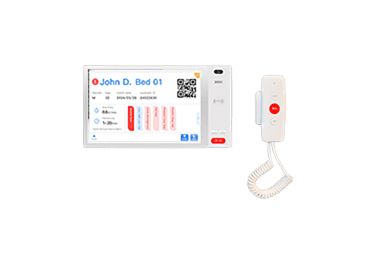
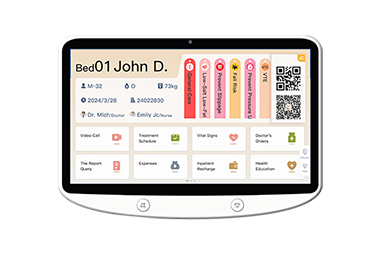
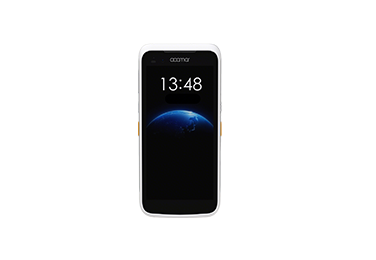


In the development process of smart healthcare, the integration of technological innovation and humanistic care has become the key to improving the quality of medical services. The Ocamar smart nursing interactive screen series products, with their powerful functional expansion capabilities and thoughtful humanistic care design, have broken through the functional limitations of traditional nursing equipment, making medical services more intelligent while also more compassionate, and bringing patients a comprehensive and high-quality medical experience.
The Ocamar nursing interactive screen adopts an expandable open architecture design, providing ample space for functional expansion. Through standard API interfaces, the product can easily integrate with the hospital's existing HIS systems, LIS systems, PACS systems, and IoT infrastructure, not only meeting current nursing work needs, but also being able to flexibly add functional modules and service items according to the hospital's development plans and business expansions. Currently, the product supports multiple functions such as health education, fee inquiry, remote visitation, bedside settlement, service evaluation, audio-visual entertainment, bedside ordering, and smart home control. In the future, it can also connect with more third-party medical service resources to achieve continuous iterative upgrades of functions, providing long-term technical support for the construction of smart hospitals.
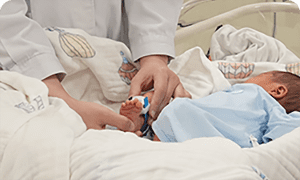
The remote visitation function is an important manifestation of the humanistic care of the Ocamar nursing interactive screen. For scenarios such as ICU wards, infectious disease isolation areas, and neonatal wards where it is inconvenient to visit in person, the product supports two modes of in-hospital visitation and internet visitation. In the in-hospital visitation mode, family members can initiate visitation requests through the visiting machine in the dedicated visiting room and obtain permission from the nurse to have a video call with the patient; in the internet visitation mode, a cloud reservation service platform is provided, allowing family members or relatives to apply for reservation times through various methods such as scanning QR codes, entering URLs through browsers, or accessing the official account entry. This flexible visiting method not only meets the concern of family members for the patient but also avoids the cross-infection risks brought by on-site visits, while nurses can reasonably arrange care time and always monitor the patient's physical condition during the visit, ensuring the patient's safety.
The health education function provides personalized health guidance services for patients. The system integrates rich health promotion videos, text pictures, etc., classified by disease types, and patients and their families can view them at the smart bedside screen or bedside screen at any time to understand treatment knowledge, rehabilitation training methods, dietary restrictions, etc. According to the cognitive characteristics of patients of different age groups, the educational content adopts simple and understandable language and intuitive presentation forms, helping patients better understand and master health knowledge and improving their self-care ability. At the same time, the system can automatically push relevant educational content based on the patient's diagnosis and treatment stage, such as preoperative precautions and postoperative rehabilitation guidance, making health education more targeted and timely.
In terms of detail design, the Ocamar nursing interactive screen fully embodies humanistic care for patients. The friendly and easy-to-use interface design fully considers the usage needs of elderly patients and patients with mobility impairments, with large fonts, high contrast display effects, and simple and clear operation logic, reducing the usage threshold; the night mode allows for custom screen-off times according to the ward, reducing the interference of screen light on the patient's sleep; the voice call and voice reading functions facilitate patients with poor vision or those unable to operate independently to obtain information and initiate requests; the fee inquiry and payment reminder functions allow patients to clearly understand medical expenses and avoid concerns arising from payment issues; the service evaluation function provides patients with a channel to provide feedback on the medical experience, helping hospitals promptly optimize service processes. From the unlimited possibilities of functional expansion to the detailed demonstration of humanistic care, the Ocamar nursing interactive screen, supported by technology and centered on patients, not only enhances the efficiency and accuracy of medical services, but also enables patients to feel respect and care during the medical treatment process, injecting warm humanistic strength into medical services.



