

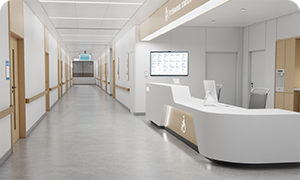

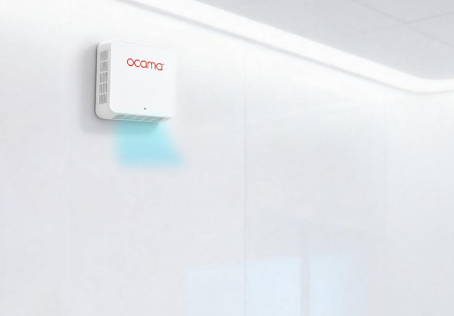
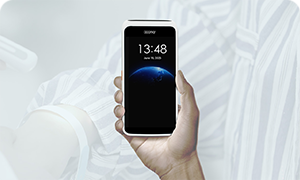
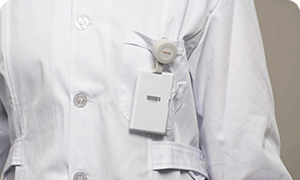
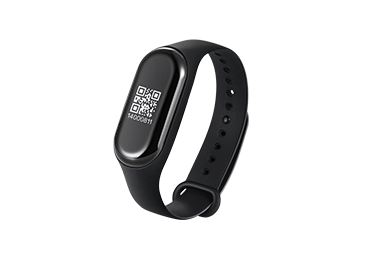
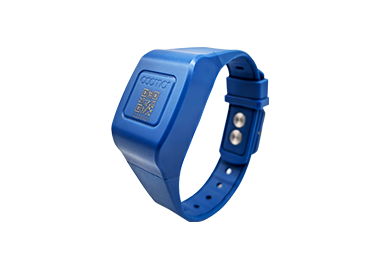
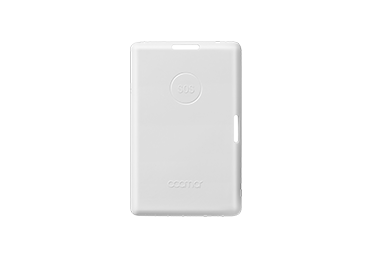
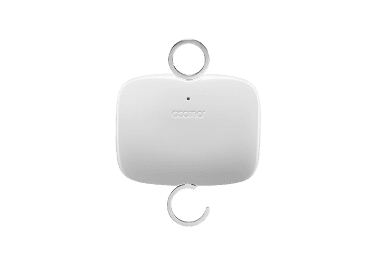

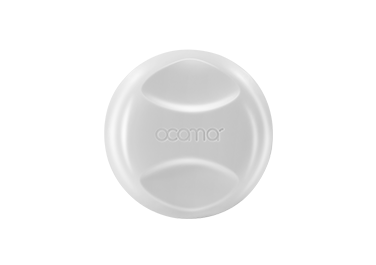
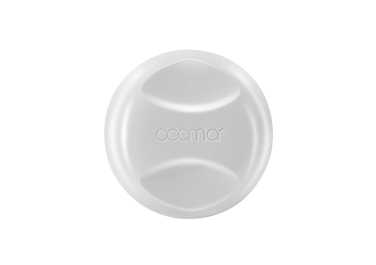
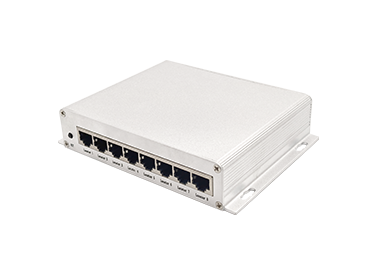
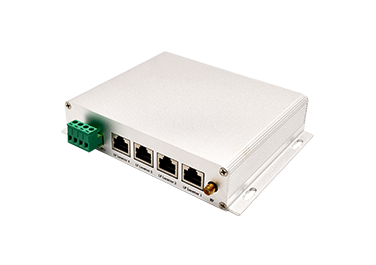


Under the dual challenges of strained medical resources and surging patient demands, the traditional infusion mode has failed to meet the requirements of modern medical services. Patients and their families need to keep an eye on the infusion progress throughout the process, and nurses have to frequently travel between the wards to change dressings and remove needles, which not only increases the risk of conflicts between doctors and patients but also consumes a large amount of nursing resources. To solve this problem, Angke Information has launched a wireless infusion monitoring system, which is reshaping the infusion management model with the help of Internet of Things technology and has become an important driving force for the construction of smart hospitals.
Core technology empowerment: Precise monitoring and intelligent warning
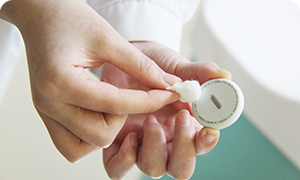
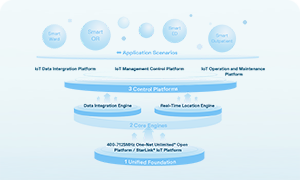
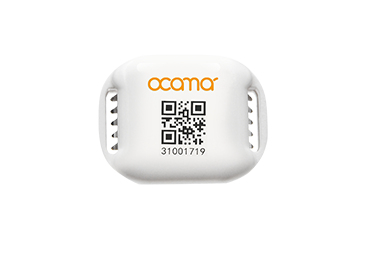
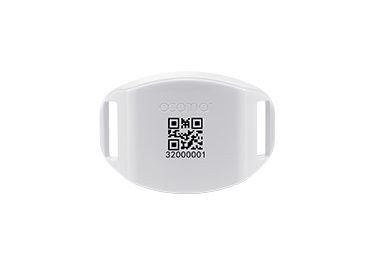
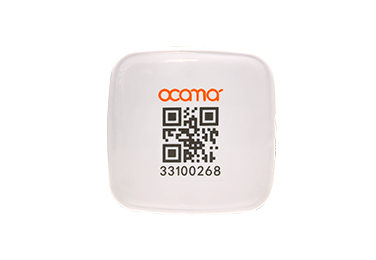
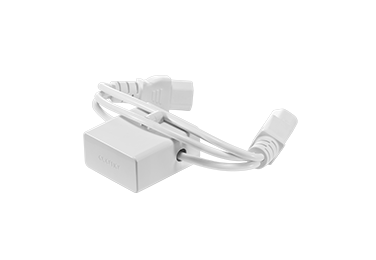
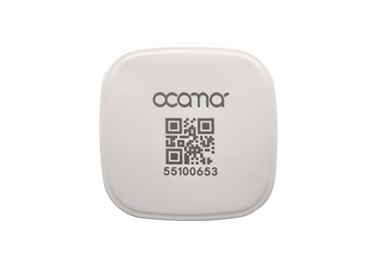
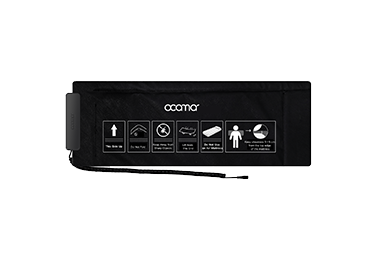
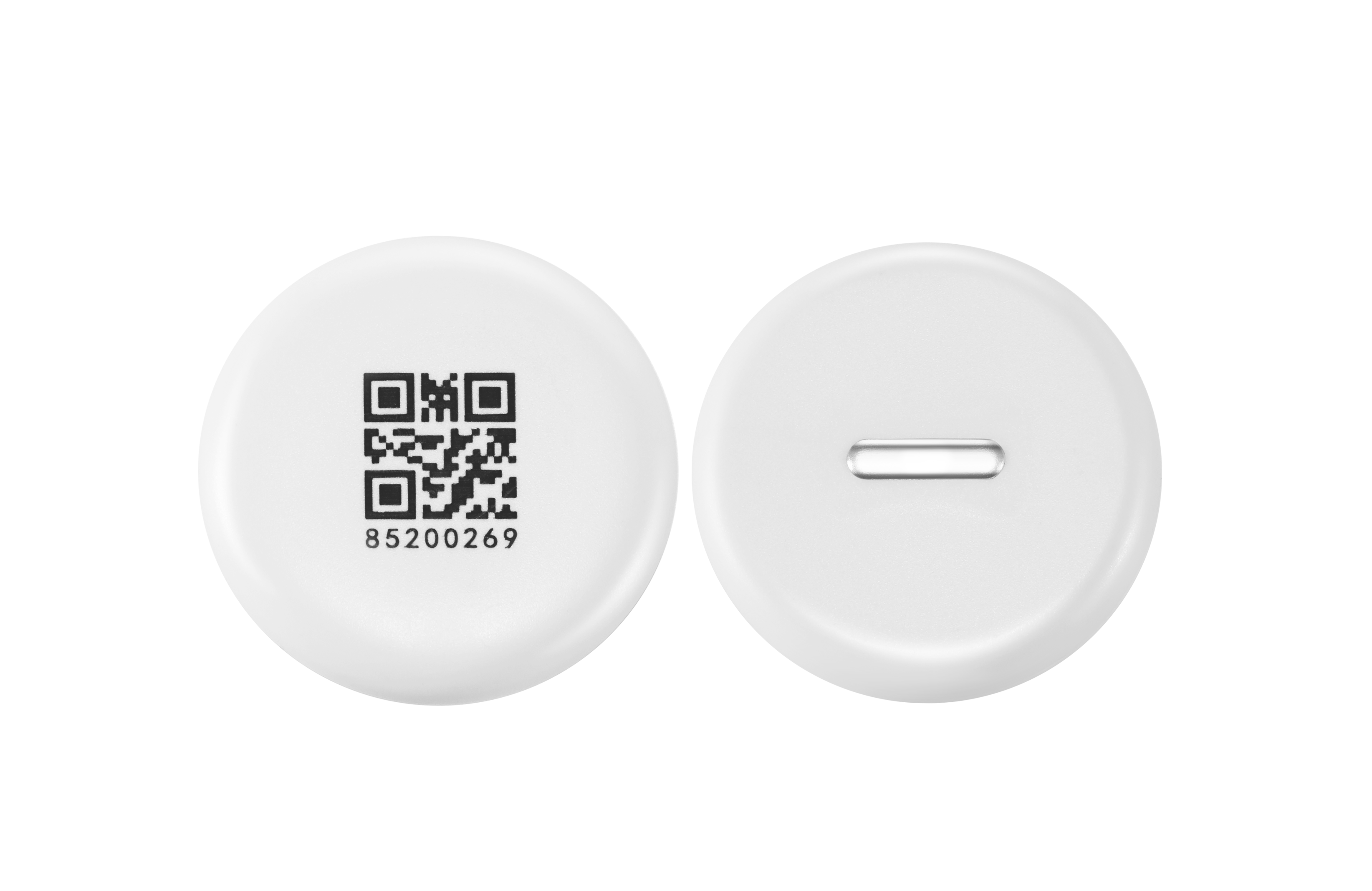
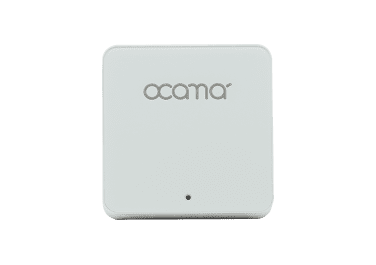
The Angke wireless infusion monitoring system relies on the independently developed one-net-infinite® medical-specific wireless Internet of Things platform. It collects key data during the infusion process through micro sensors. Its core technologies include:
1. Level and flow monitoring: Using optical sensors to precisely track the remaining volume of the drug solution, combined with ultrasonic flow monitoring technology, it achieves high-precision control of the drip rate with an error of ±2 drops per minute, and automatically calibrates interference such as bottle shaking or interruption of the drip.
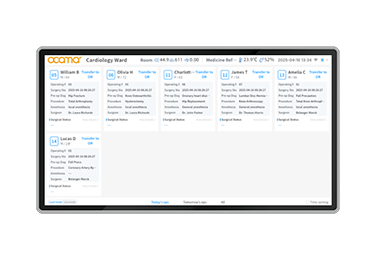
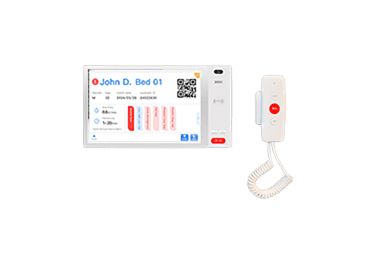
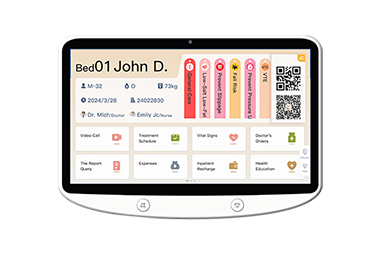
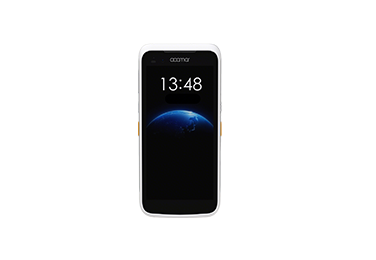
2. Abnormal state warning: When abnormal drip rate, pipeline blockage, or patients' unauthorized adjustment of the drip rate are detected, the system immediately triggers a multi-level alarm mechanism, and simultaneously pushes warning information to the nurse station large screen, mobile terminal, and bedside screen.
3. Full-process closed-loop management: The system deeply integrates with the hospital's HIS system to achieve digitalized recording of the entire process from doctor's order, liquid preparation, infusion to needle removal, supporting the traceability and analysis of infusion data within 6 months.
4. AI algorithm optimization: Introducing the low-rank compression technology similar to SeepSeek, it conducts real-time analysis and modeling of massive infusion data, significantly reduces system operating power consumption, and improves the accuracy of abnormal event prediction by 30%.
Multidimensional Value Enhancement: An Innovative Practice for Win-Win Cooperation between Doctors and Patients The application of this system has brought significant benefits to the hospital:
Increased efficiency of medical staff: Nurses can manage the infusion status of the entire ward simultaneously through the visual monitoring screen. The system provides 3-minute advance warning for needle removal time, reducing the frequency of nurses' visits to the ward by over 60%. After being introduced in Nanjing Lishui District People's Hospital, nurses saved an average of 2 hours of ineffective nursing time per day, and the rate of nursing errors decreased by 45%.
Optimized patient experience: Patients no longer need to constantly monitor the infusion. The automatic monitoring function of the system allows patients and their families to rest peacefully, especially alleviating the burden of caregivers for elderly patients and "421 families". Data from a certain tertiary hospital in Shanghai shows that after its use, patient satisfaction increased by 22% and the complaint rate decreased by 30%.
Enhanced medical safety: Through an intelligent warning mechanism, the system effectively avoids risks such as backflow of blood and air embolism. After being applied in a provincial-level hospital, the incidence of infusion-related adverse events decreased by 78%, significantly improving medical quality.
Large-scale application: National benchmark case demonstration
Currently, the Angke Wireless Infusion Monitoring System has been implemented in 700+ medical institutions across the country, covering various types of scenarios such as general hospitals, maternity hospitals, and cancer specialty hospitals:
Ruijin Hospital Affiliated to Shanghai Jiao Tong University School of Medicine: After deployment in the ward, the response time of nurses at night was reduced from an average of 8 minutes to 2 minutes, and the disturbance to patients' rest at night decreased by 90%.
Taihe Hospital of Shiyan City: Through the system, the entire process of intravenous infusion was managed in a closed loop, the efficiency of nurse shift handover increased by 50%, and the number of medical disputes decreased by 60% year-on-year.
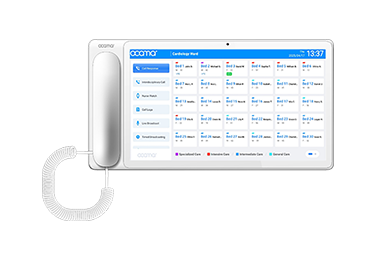
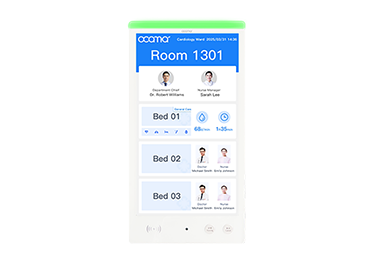
Shanghai First Maternity and Infant Hospital: The system is linked with intelligent bedside screens and nursing interaction screens to create a "unmanned care" ward model, enabling multi-terminal synchronization display of infusion data and making the nursing process more transparent and efficient.
Future Outlook: Building a smart medical ecosystem
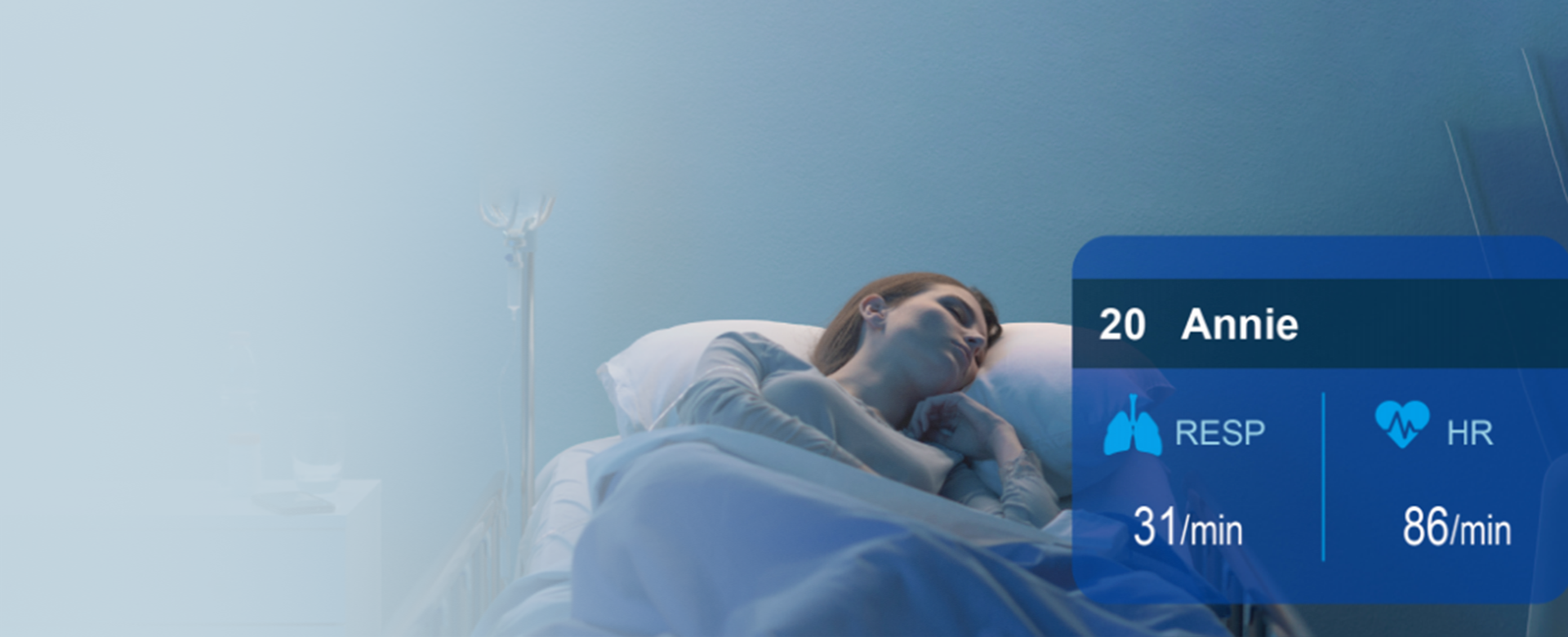
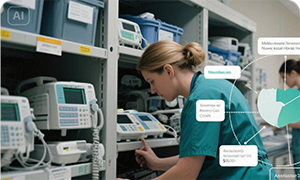
With the deep integration of 5G and Internet of Things technologies, the Onco Wireless Infusion Monitoring System is gradually expanding to an overall solution for smart wards. By integrating multiple systems such as vital sign monitoring, environmental monitoring, and asset positioning, hospitals can achieve comprehensive perception and intelligent analysis of patient data, providing support for precision medicine. For example, at the First Affiliated Hospital of University of Science and Technology of China, the system is linked with the chest pain center positioning system, reducing the treatment time for acute chest pain patients by 30%, and providing precious rescue opportunities for critically ill patients.
Conclusion
The innovative practice of the Onco Wireless Infusion Monitoring System not only injects technological impetus into traditional infusion management, but also promotes the transformation of hospitals towards intelligent and meticulous management. Under the dual goals of optimizing medical resources and enhancing patient experience, this "infusion magic tool" is becoming an important standard for the construction of smart hospitals, providing a new paradigm for building an efficient, safe and humanized medical service system.



